
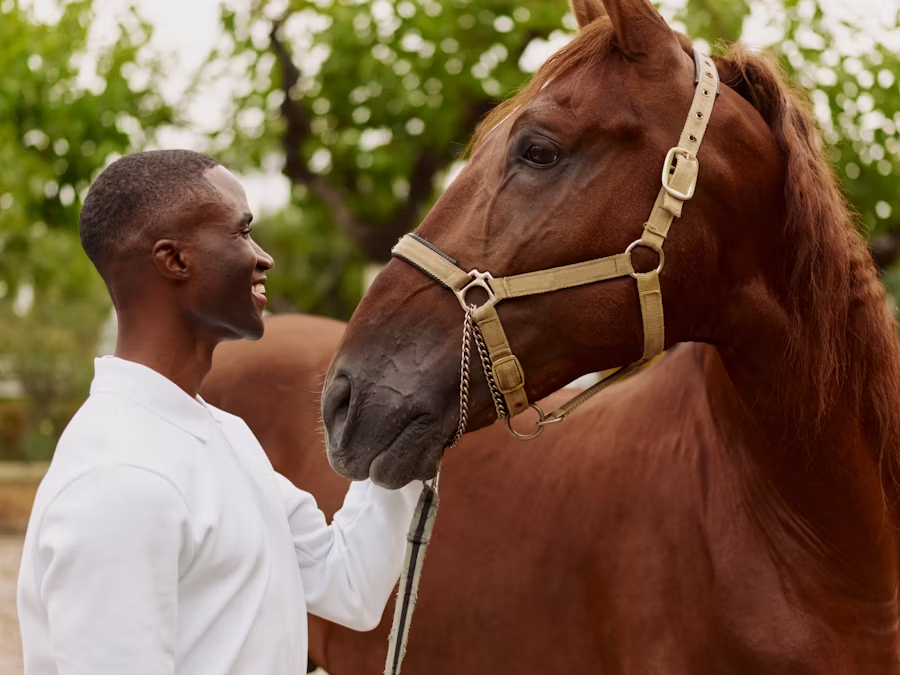
The Head and Ears: Antennas of Emotion
Your horse’s head and ears act as their radar. Because horses are prey animals, they’re constantly scanning their environment, and their ear movement gives away what they’re focusing on.
Ear Position:
1. Ears Forward: Curiosity, interest, or alertness. Your horse is tuned into something ahead — a sound, sight, or movement.
2. Ears Flicking Back and Forth: Splitting attention between you and their surroundings. This can signal nervousness or just curiosity.
3. Ears Flat Back: Anger, discomfort, or defensiveness. This is a clear warning sign — back off or reassess what you’re asking.
4. Ears Relaxed to the Side: Calm, relaxed, possibly sleepy.
Head Position:
5. Head Held High: Excitement, fear, or high alert. Horses raise their heads to see better and prepare to flee.
6. Head Lowered: Calmness, relaxation, or trust. A lowered head shows the horse feels safe.
7. Rapid Head Tossing: Irritation or discomfort, often tied to poorly fitting tack, biting insects, or stress.
8. Head Bobbing: While some nodding can signal excitement for food, repetitive or rhythmic head bobbing may point to irritation, pain, or unease.

The Eyes: Windows of the Soul
Horse eyes are among the largest of any land mammal, designed for wide peripheral vision. Their expression often mirrors their emotional state.
9. Soft Eyes: Relaxed lids, gentle gaze — your horse feels comfortable and secure.
10. Wide Eyes with Whites Showing (“Whale Eye”): Fear, stress, or alarm. The horse is hyper-vigilant and possibly preparing to bolt.
11. Hard Eyes (Tense Brow, Narrow Gaze): Irritation or discomfort. Sometimes seen before aggressive behavior.
12. Eye Wrinkles: Noticeable triangular wrinkles above the eyes, similar to frown lines, often suggest elongated concern, stress, or discomfort.
Reading your horse’s eyes is about catching subtle shifts — the difference between soft and tight muscles around the brow can tell you everything about their mood.

The Mouth and Nostrils: Tension or Trust?
Your horse’s mouth and nostrils are powerful indicators of stress, relaxation, or playfulness.
13. Relaxed Mouth, Chewing or Licking: Processing, submission, or calm acceptance. Horses often lick and chew after stress as a sign of relaxation.
14. Tight Mouth: Stress, pain, or resistance.
15. Yawning (Without Sleepiness): Release of tension or stress.
16. Flared Nostrils: Excitement, alarm, or effort during exercise.
17. Relaxed Nostrils: Calmness and contentment.
18. Clenched Jaw: This reveals stress, pain, or resistance. You’ll often see it if tack doesn’t fit, during hard training sessions, or when a horse feels pressured.
19. Flicking or Lifting Lips: A horse that lifts or curls its lips may be exploring smells, expressing mild irritation, or releasing tension. Repeated or abrupt motions can signal discomfort with tack or handling.
20. Licking and Chewing: Shows great signs of trust, acceptance and relaxation
21. Rolling the Lips: When a horse curls or stretches its lips without food in its mouth, it’s often a release of tension or a sign of relaxation. Excessive curling or grinding may indicate stress or discomfort, especially with tack or dental issues.
22. Muzzle Movements: Gentle swishes or exploratory movements of the muzzle often indicate curiosity, while a more animated muzzle can reflect a naturally outgoing personality.
Fun fact: Some horses “nicker” softly with flared nostrils to express affection — a sign of trust and recognition.

The Neck and Body: The Core of Expression
The horse’s neck and body posture are often the clearest indicators of how they feel.
23. Arched Neck, Relaxed Back: Confidence, engagement, and willingness to connect. Seen in collected movement or when showing off naturally.
24. Tense, Hollow Back with Raised Head: Stress, discomfort, or resistance. This is often a reaction to ill-fitting tack or pressure.
25. Resting Posture (One Hind Leg Cocked, Hip Dropped): Relaxed and resting. If paired with a lowered head, your horse is calm and secure.
26. Rigid, Braced Body: Anticipation of flight or aggression.

The Tail: The Mood Barometer
The tail is one of the most expressive parts of your horse’s body.
27. Loose and Swinging: Relaxed and calm.
28. High and Flagged: Excitement, playfulness, or fear (commonly seen in young horses at play).
29. Tucked Between Hind Legs: Fear, submission, or discomfort.
30. Swishing Rapidly: Irritation, anger, or an attempt to get rid of pests. But repeated swishing during riding often means your horse is frustrated with cues or tack.

Hooves and Legs: Small Movements, Big Messages
Watch the legs closely — they often reveal what the rest of the body is preparing for.
31. Pawing the Ground: Impatience, frustration, or sometimes discomfort.
32. Stomping: Irritation, often at flies, but can also show annoyance.
33. Striking: Aggression or frustration.
34. Resting a Hind Leg: Relaxation (but paired with tension elsewhere, could indicate pain).
35. Shifting Weight Repeatedly: Discomfort or anxiety.
36. Foot Dragging: Dragging a front or hind hoof lightly along the ground can be a sign of fatigue, mild discomfort, or impatience. Persistent dragging paired with weight shifting may indicate soreness or early lameness.
Horses communicate readiness to move long before they act. A subtle lift of a hoof can be the precursor to kicking, bolting, or simply shifting position.

Body Movement:
37. Leaning In (or Away): A horse that leans slightly into you or rests its body nearby is showing trust and seeking connection. One that continually turns its hindquarters or leans away is expressing distrust or setting boundaries. A horse leaning lightly against a fence, wall, or person can be a sign of trust and comfort. Excessive leaning, especially if the horse is restless, may indicate weakness, fatigue, or seeking support.
38. Stretching Hindquarters: When a horse stretches one hind leg out behind them, it often signals comfort, release of tension, or relaxation. If combined with other stress signals, it may indicate soreness.
39. Shaking Off: Shaking the body, especially after grooming or exercise, helps release tension and relax muscles. Frequent or abrupt shaking can also signal irritation, stress, or a reaction to insects or tack.
40. Physical Blocking: A dominant horse may use its body to block or impede a less dominant horse’s movements, signaling authority or asserting control.
BONUS: A Horse’s I LOVE YOU
Mirroring Your Energy: A horse that adapts to your mood or energy level is displaying a deep emotional connection.
Nuzzling and Licking: A soft nudge or gentle lick is a common way horses show affection, much like a human kiss.
Relaxed Posture: Soft, half-closed eyes, loose ears, and a relaxed body indicate the horse feels calm and content in your presence.
Head Placement: Resting their head on your shoulder or chest shows trust and comfort.
Stretching and Yawning: These behaviors often reflect relaxation and indicate that your horse feels safe and secure.
Choosing Your Company: Standing near you voluntarily, even while grazing or follows you without prompting demonstrates trust and a strong bond.
Greeting You: Whinnies or nickers when you approach, especially without expectation of food, signal recognition and affection.
Context Matters
Body language doesn’t exist in a vacuum. For example, a swishing tail could mean flies — or frustration with your aids. Ears pinned could mean aggression — or simply concentration during training.
Always ask:
- What’s happening in the environment?
- What’s the horse’s history or mood today?
- What other signals are appearing alongside this one?
Understanding context prevents misinterpretation and deepens communication.
Mindful Practices for Reading Body Language
Beyond memorizing signals, connection comes through mindful observation:
- Mirror Practice: Spend time moving slowly beside your horse, mirroring their posture to feel their rhythm.
- Silent Watching: Sit in the pasture or arena and observe herd interactions — how horses use body language with each other teaches you how to better “speak horse.”
- Journaling: Keep notes on your horse’s posture in different settings (feeding, riding, turnout). Patterns emerge over time that help you predict and understand their needs.
Why This Matters
Reading body posture builds:
- Safety: You spot signs of fear or aggression before they escalate.
- Trust: Your horse feels heard and respected.
- Bond: Understanding deepens your connection, transforming your partnership.
Horses live in the language of the body. When you learn to listen fluently, you become more than a rider — you become a true partner.
Final Thoughts
Your horse is speaking to you constantly — through ears, eyes, muscles, tail, and breath. The more you learn to read their posture, the more clearly you hear their story.
In a world where so much communication is rushed and digital, horsemanship calls us back to patience, presence, and silent listening. And when you begin to notice the subtle arch of a neck, the flick of an ear, or the softness in their eye, you’ll find something profound:
Your horse has been speaking to you all along.
✨ Heritage Note: Just as you invest in high-quality tack and timeless clothing, invest in the time to understand your horse. It’s not about shortcuts, but about honoring the heritage bond between human and horse — a connection written in body language across centuries.



0 Comments