
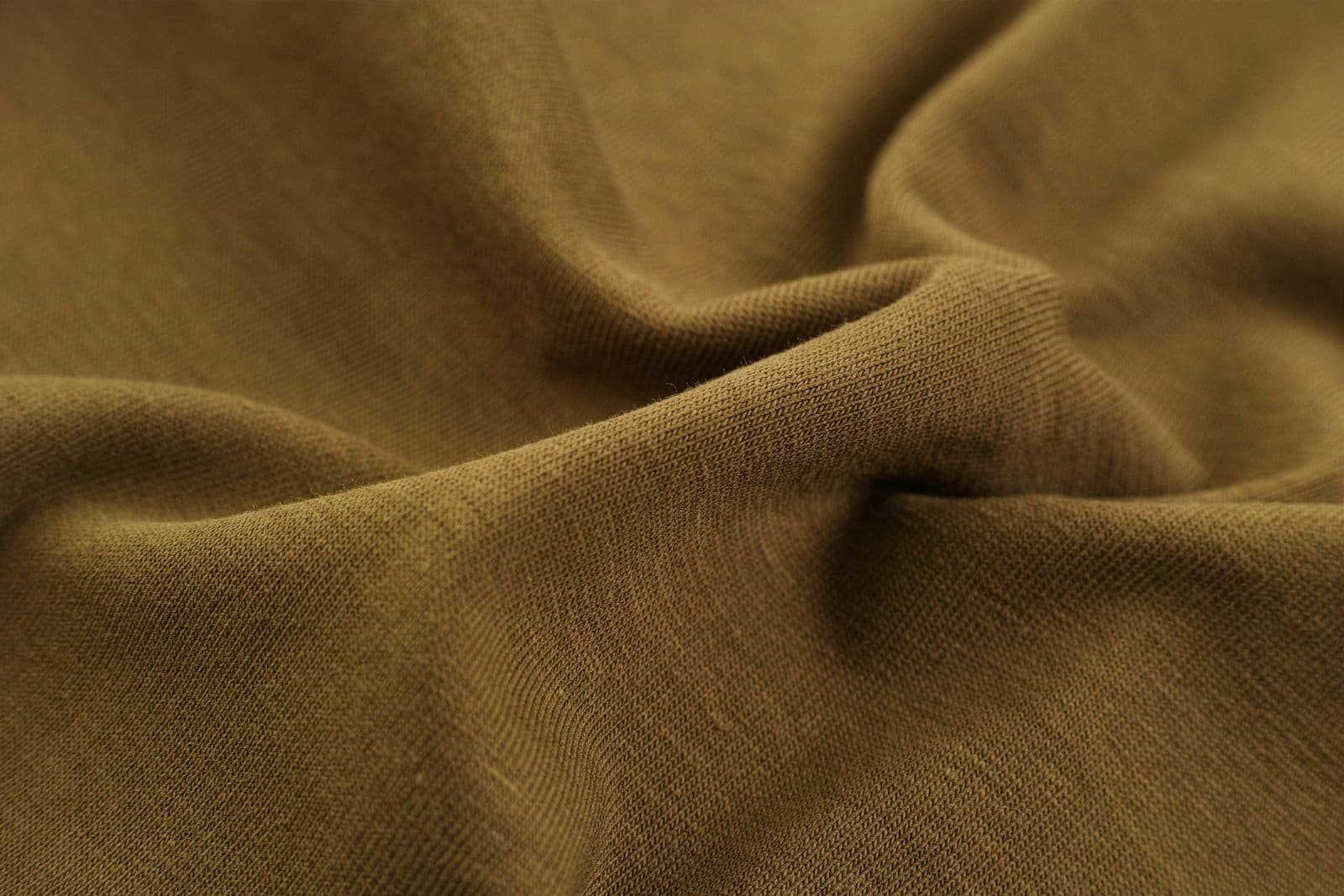
Growing up on Hollywood sets being surrounded by fabric professionals, one of the most common questions I hear is: “Which fabrics are truly worth investing in, and how do you take care of them?” Today, we’re diving deep into some of the most luxurious and sustainable materials in fashion and home textiles: wool, cashmere, silk, organic cotton, linen, and bamboo. We’ll explore what makes each fabric great, their natural benefits, why they outperform synthetic alternatives, how long they last, and how to properly care for them.

1. Wool: The Natural Insulator vs. Synthetic Fleece
Quality and Source:
Wool is a natural fiber harvested primarily from sheep, with Merino wool being the gold standard for softness, fine texture, and resilience. It’s renewable, biodegradable, and sourced ethically from farms that practice rotational grazing and animal welfare.
Benefits:
- Excellent insulation: Keeps you warm while remaining breathable.
- Moisture-wicking: Absorbs sweat without feeling damp.
- Naturally odor-resistant: Unlike polyester, wool can go longer between washes.
Synthetic Comparison:
- Wool is often compared to acrylic or polyester fleece. While synthetics can mimic wool’s warmth, they don’t offer breathability, natural odor resistance, or biodegradability. Synthetic fibers also shed microplastics into water systems during washing, whereas wool decomposes naturally.
Durability and Lifespan:
- With proper care, wool garments last 10+ years. Merino wool sweaters often outlive cheap synthetic sweaters by a decade.
Care Instructions:
- Hand wash or machine wash on a wool/delicate cycle using a mild detergent.
- Dry flat to maintain shape.
- Store in a breathable bag to prevent moth damage.

Fabric Shaver and Lint Remover $15

Suede Brush and Leather Care Kit $16

Handheld Steamer $59

Cleangin Cloth Ultra Soft $9

2. Cashmere: Luxury Fiber vs. Acrylic Alternatives
Quality and Source:
Cashmere comes from the soft undercoat of cashmere goats, mainly from Mongolia, Nepal, and northern China. Quality varies based on fiber length and diameter: ultra-fine fibers produce the softest, most luxurious garments.
Benefits:
- Incredibly soft and lightweight, yet warm.
- Hypoallergenic and breathable.
- Luxurious drape: Holds shape while providing comfort.
Synthetic Comparison:
- Synthetic alternatives include acrylic cashmere blends. Acrylic mimics softness but lacks thermal regulation, can pill excessively, and is petroleum-based, making it far less eco-friendly.
Durability and Lifespan:
- A high-quality cashmere sweater lasts 15+ years with proper care. Pilling is natural but manageable with a comb or depiller.
Care Instructions:
- Hand wash in cold water or use a gentle cashmere-specific detergent.
- Avoid wringing; press water out gently.
- Dry flat and store folded, not hung, to preserve shape.

3. Silk: Mulberry Silk vs. Polyester Satin
Quality and Source:
Silk is a protein fiber produced by silkworms. Mulberry silk is the highest quality due to controlled diet and rearing of silkworms. Silk is renewable, biodegradable, and offers a natural luster that synthetics like polyester satin cannot match.
Benefits:
- Smooth, soft, and gentle on skin and hair.
- Thermoregulating: keeps you cool in summer and warm in winter.
- Naturally hypoallergenic.
Synthetic Comparison:
- Polyester satin imitates silk’s shine but lacks breathability, can trap heat, and contributes to microplastic pollution. Real silk biodegrades in months.
Durability and Lifespan:
- Silk garments, when cared for, last 5–10 years. Mulberry silk scarves and dresses can even last decades if maintained.
Care Instructions:
- Hand wash in cold water or dry clean.
- Avoid direct sunlight when drying.
- Iron on low heat with a cloth barrier to prevent scorch marks.
4. Organic Cotton: Breathable, Sustainable & Durable
Quality and Source:
Organic cotton is grown without synthetic pesticides, herbicides, or genetically modified seeds. This preserves soil health, protects water sources, and supports ethical labor practices.
Benefits:
- Soft, breathable, and hypoallergenic.
- Durable and versatile: suitable for apparel, bedding, and home textiles.
- Less water-intensive than conventional cotton when farmed responsibly.
Synthetic Comparison:
- Cotton vs. polyester: Polyester is cheap and durable but is non-biodegradable and sheds microplastics. Organic cotton is renewable and naturally decomposes.
Durability and Lifespan:
- Organic cotton garments last 5–15 years depending on use and care.
Care Instructions:
- Wash in cold water to prevent shrinking.
- Use gentle, eco-friendly detergents.
- Air dry when possible to preserve fibers.
5. Linen: The Timeless Fabric That Improves With Age
Quality and Source:
Linen comes from the flax plant and is one of the oldest fibers known to humans. High-quality European flax produces smooth, strong linen that softens with each wash.
Benefits:
- Extremely breathable, ideal for warm climates.
- Naturally moisture-wicking and quick-drying.
- Hypoallergenic and durable; improves with age.
Synthetic Comparison:
- Linen alternatives include polyester blends. While synthetics may mimic texture, they trap heat, don’t soften naturally, and remain non-biodegradable.
Durability and Lifespan:
- Linen can last 20+ years; vintage linen bedding and apparel are highly sought after for their patina and strength.
Care Instructions:
- Machine wash on gentle cycle.
- Iron damp for best results.
- Hang or lay flat to dry; natural creases are part of linen’s charm.

6. Bamboo: Eco-Friendly Fabric or Greenwashing?
Quality and Source:
Bamboo fabric is made from the pulp of bamboo grass. When processed mechanically (bamboo linen) rather than chemically (viscose), it’s sustainable and eco-friendly.
Benefits:
- Naturally antibacterial and odor-resistant.
- Soft, lightweight, and moisture-wicking.
- Renewable: bamboo grows quickly without pesticides or irrigation.
Synthetic Comparison:
- Many bamboo fabrics are made via chemical viscose processing, which involves toxins like sodium hydroxide. Compared to polyester, bamboo (when processed responsibly) is biodegradable and renewable.
Durability and Lifespan:
- Bamboo fabrics last 5–10 years, depending on weave and care.
Care Instructions:
- Wash in cold water with mild detergent.
- Avoid bleach.
- Air dry or tumble dry on low.

Why Natural Fibers Outperform Synthetics Every Time
- Environmental Impact: Natural fibers like wool, silk, and organic cotton biodegrade, whereas synthetics (polyester, acrylic) can persist for hundreds of years.
- Comfort and Breathability: Natural fibers regulate temperature, wick moisture, and reduce odor without chemicals.
- Durability: Properly cared-for natural fibers last decades, making them better investments than cheap, short-lived synthetics.
- Luxury Feel: Nothing beats the texture, drape, and luster of high-quality natural fibers.

General Fabric Care Tips for Longevity and Sustainability
- Sort by color and fiber type.
- Use gentle, eco-friendly detergents.
- Avoid excessive heat; it degrades fibers.
- Store natural fibers in breathable containers.
- Rotate garments to reduce wear.
Investing in quality natural fabrics isn’t just a fashion choice — it’s a lifestyle choice that prioritizes sustainability, longevity, and tactile luxury.
Conclusion: Investing in Natural Fabrics for Quality and Value
Choosing natural fabrics isn’t just about aesthetics — it’s about making smarter, more sustainable investments for your wardrobe and home. Materials like wool, cashmere, silk, organic cotton, linen, and bamboo consistently outperform synthetics when it comes to comfort, breathability, durability, and environmental impact. While synthetic fibers may be cheaper upfront, they often lack longevity, shed harmful microplastics, and can’t match the luxurious feel or timeless value of natural textiles.
By learning proper fabric care techniques and understanding the unique qualities of each fiber, you can extend the life of your garments, reduce waste, and curate a wardrobe that combines quality, sustainability, and style. Whether you’re shopping for everyday essentials or luxury pieces, investing in natural fabrics ensures you’re choosing clothing that not only looks and feels better — but also supports a more conscious, eco-friendly future.
✨ Next time you shop, check the fabric label before you buy. Choose natural fibers that last, breathe, and biodegrade — and skip cheap synthetics that wear out quickly. Investing in high-quality textiles today means enjoying timeless comfort, luxury, and sustainability for years to come.


0 Comments