
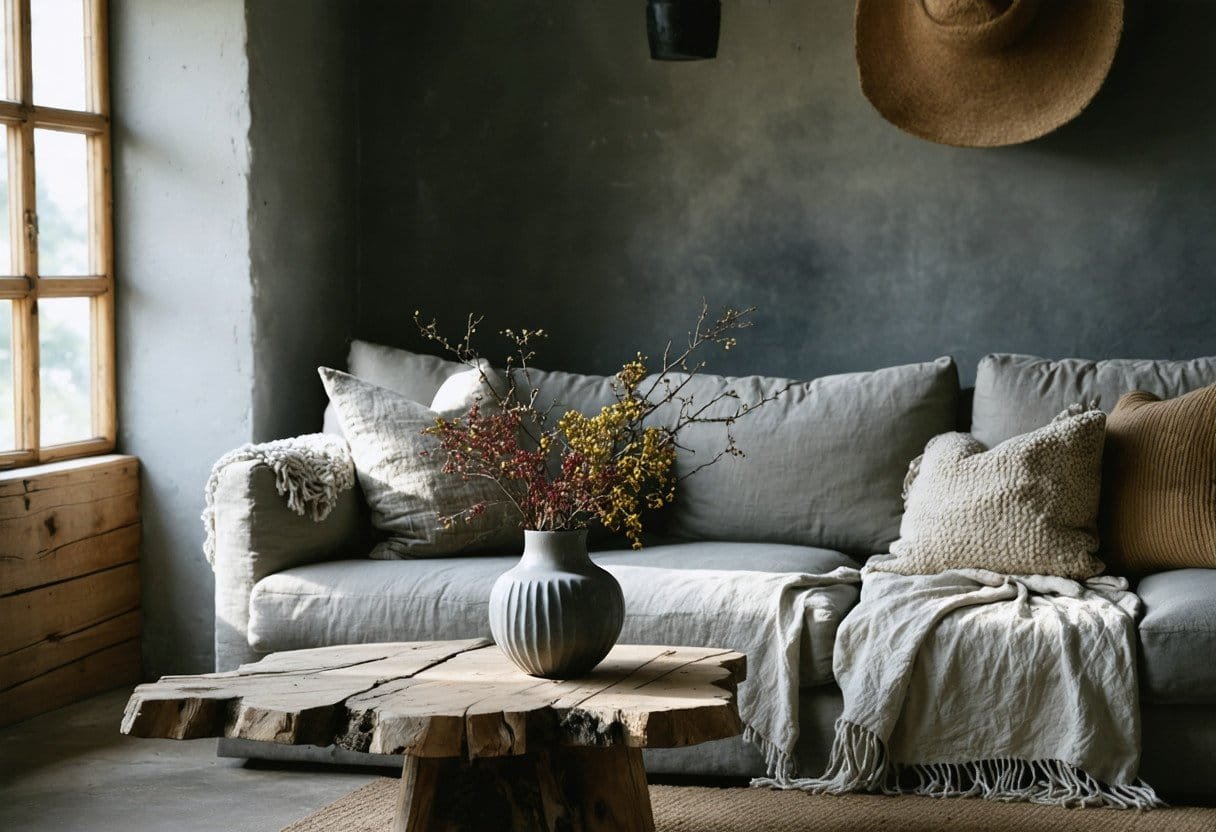
There’s something magical about the moment a season shifts. You wake up and notice the light has changed, the air feels different, and suddenly the mood of your home feels out of sync. It’s not that your space looks wrong, but rather that it no longer reflects the rhythm outside your window. This is where seasonal decor swaps come in—not the cliché ones that scream “holiday aisle at the store,” but subtle, thoughtful touches that breathe freshness and elegance into your rooms without ever feeling contrived.
The art of seasonal decorating doesn’t mean hauling out bins of themed trinkets every three months. Instead, it’s about working with textures, tones, and small but impactful shifts that allow your home to evolve with the seasons just like nature does. When done right, these transitions feel effortless, like your space is keeping time with the world outside. Here are some budget friendly swaps to help bring the seasons to life.
Textiles
One of the most transformative swaps is changing the textiles in your home. It’s not just about heavier blankets in winter and lighter ones in summer, but about paying attention to fabric character. In spring, imagine bringing in raw linen pillow covers with frayed edges or washed cotton throws that catch the soft light. As summer arrives, swap those for gauzy, almost sheer drapes that let the breeze in, or cushions in faded denim and vintage chambray. Autumn calls for wool blends and velvet that echo the richness of harvest colors without screaming orange and brown. And when winter comes, there’s something deeply grounding about chunky knits and sheepskin draped casually across a chair. These aren’t decorative afterthoughts—they set the tone for how your home feels to live in.

Raw Linen Pillow Cover

Natural Sheer Gauzy Linen Drapes

100% Pure Organic Merino Wool Queen Size Blanket $100

Genuine Sheepskin Area Chair/couch Cover, Rug
Lighting
Lighting is another overlooked seasonal storyteller. The sun shifts not just in warmth but in angle as the year moves, and your home should respond. Instead of leaving the same lamps out year-round, consider curating a small rotation of shades and bulbs. In summer, clear glass or light rattan lampshades keep a room feeling open. In fall, you might bring out parchment or linen shades that diffuse the light softly, creating pockets of coziness. And in winter, go bolder with warm-toned bulbs and even candle clusters housed in hurricane glass for layers of glowing warmth. The goal is not to fill every surface, but to create an atmosphere that feels intentional and adaptive.

Ratan Lamp Shades

Parchment Shades

Green Drum Velvet Drum Lamp

Brass Gold Candle Stick Holders
Wall Art
Even your artwork and framed photos can join the seasonal rhythm. Instead of permanent wall pieces, keep a selection of prints that reflect seasonal moods—botanical sketches for spring, sepia-toned landscapes for fall, or monochrome studies for winter. Store the off-season pieces in a flat file or behind the ones currently on display so the swap is quick and seamless. The effect is subtle but powerful: your walls themselves begin to participate in the cycle of the seasons.

Flower Canvas Sketch Framed and Matted

Ashbrook Country Landscape Canvas Print Framed

Vintage Equestrian Da Vinci Inspired Etching Print Framed

Vintage Black Horse Framed
Dining Table
Then there’s the dining table, which is too often reserved for big seasonal statements when it could easily offer quiet elegance year-round. Instead of themed centerpieces, think in terms of materials. In spring, a glass cloche over a bed of moss feels alive and organic. Summer lends itself to stone or ceramic bowls filled with citrus or herbs. Autumn can be celebrated with foraged branches placed in a tall earthen vase, their silhouettes more striking than any store-bought garland. Winter, rather than being defined by evergreen overload, can be grounded with a low arrangement of dried grasses and seed pods that carry a sculptural quality. Each idea is minimal in effort but maximal in impact.

Natural Green Moss Balls

Stone Decorative Bowl

Dried Grass

Holiday Seed Pods

Earthen Vase
Scent
Another area ripe for seasonal transformation is scent, which is as much a part of decor as visuals are. Instead of burning the same candle twelve months out of the year, shift your scents to follow the emotional cues of the season. Spring might be clean herbal blends like rosemary and mint, while summer could lean into salty, mineral notes that echo the sea. Autumn comes alive with woodsmoke, vetiver, and spice, while winter deepens into resins, pine, and amber. Pairing these with seasonal vessels—like hand-thrown ceramic jars in cooler months and recycled glass in warmer ones—turns something as simple as a candle into an intentional design choice.

Blood Orange Sage | Wood Wick Candle with Natural Coconut Wax

Palo Santo | Wood Wick Candle with Natural Coconut Wax

Sandalwood | Wood Wick Candle with Natural Coconut Wax

Pumpkin Crème | Amber & Gold Wood Wick Candle
Shelving
Even your shelves can play a role in keeping your home seasonal. The trick isn’t cluttering them with trinkets but editing them with the season in mind. A summer shelf might feature driftwood, seashells in a shallow bowl, or booksbound in light linen covers. Come fall, those same shelves could hold vintage copper pieces, leather-bound journals, or a cluster of antique candlesticks. Winter calls for restraint—perhaps just a stack of favorite novels beside a single sculptural object. The key is not in adding more but in curating what you already own in a way that reflects the moment you’re living in.

Leather Embossed Journal

Curated Decorative Books

Accent Decor Brass Fox

Kensington Hill Horses Running WldI
Entryway
The entryway, often neglected, can set the tone more powerfully than any other space. In spring, a simple woven basket for umbrellas and rain boots is practical yet charming. Summer might call for a large glass vase with cut grasses or wildflowers to welcome guests with freshness. By autumn, the basket could shift to hold folded blankets for chilly nights by an outdoor firepit. Winter welcomes the addition of a heavy wool runner or a vintage coat stand that feels as though it’s been standing guard for generations. These touches not only make your entryway functional but also establish a rhythm the rest of the house can follow.

Woven Umbrella Basket

Wicker Basker

Modern Glass Vase

Retro 78″ Coat Tree with 12 Hooks

Mark & Day Wool Runner 3×12. Several Colors
Final Thoughts
Perhaps the most enjoyable seasonal swap is one you can feel rather than see. It’s the ritual of pulling a quilt from storage and remembering the winter nights it kept you warm, or laying out crisp linen sheets that instantly shift a bedroom into summer mode. These tactile memories become part of your home’s personality. They remind you that elegance isn’t about buying new things every season—it’s about reintroducing pieces at just the right time so they feel cherished rather than forgotten.
The beauty of seasonal decor swaps is how they keep your home in conversation with the natural world. You don’t need to reinvent your space every few months or spend endlessly on trendy accents. By focusing on texture, light, scent, and the careful rotation of well-loved items, your home remains fresh, elegant, and deeply personal. And perhaps that’s the secret: when your home reflects the cycles of the seasons, it feels more alive, more attuned, and more welcoming—not just to others, but to you.



0 Comments